Blood pressure, diabetes, asthma: how regular virtual check-ins keep long-term conditions on track between in-person visits.
Chronic conditions are managed in the space between appointments: the daily readings, the renewals, the small course corrections. That is exactly where virtual care is strongest.
The rhythm of remote management
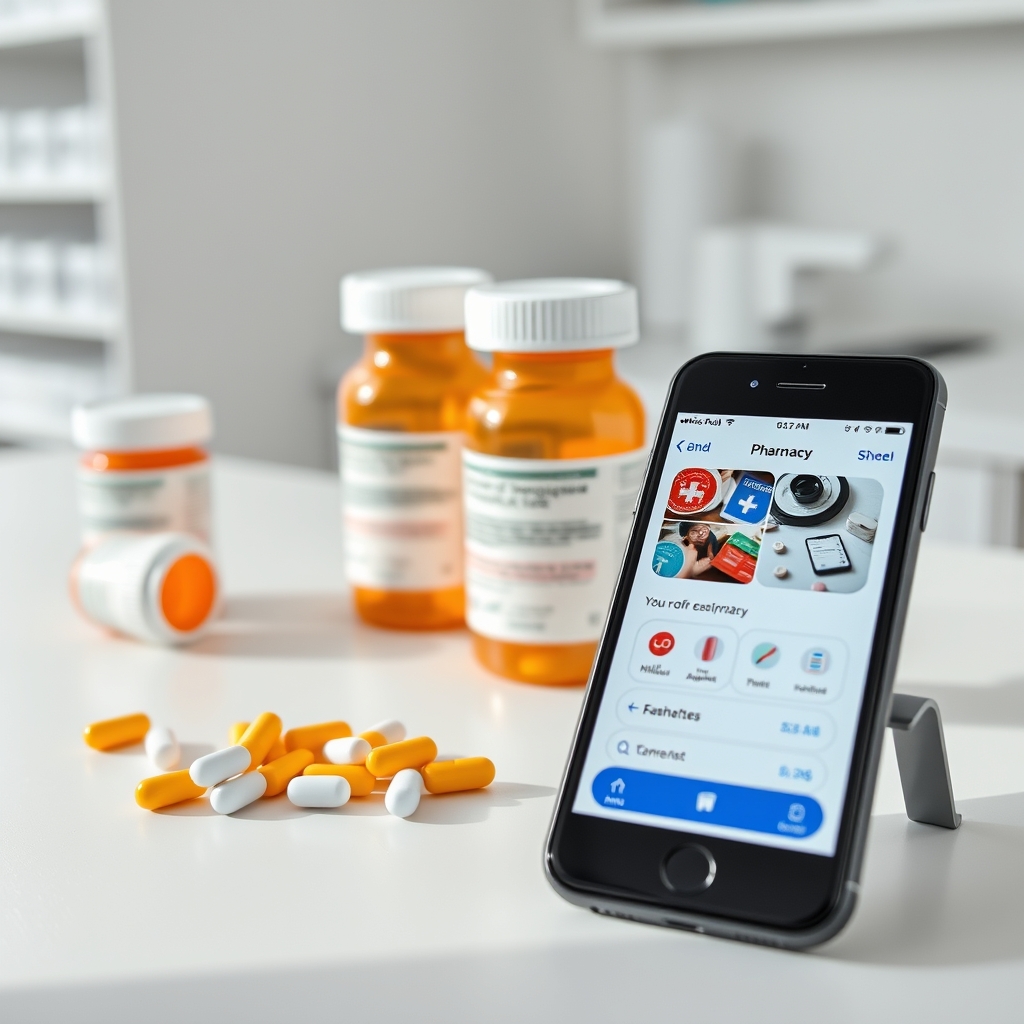
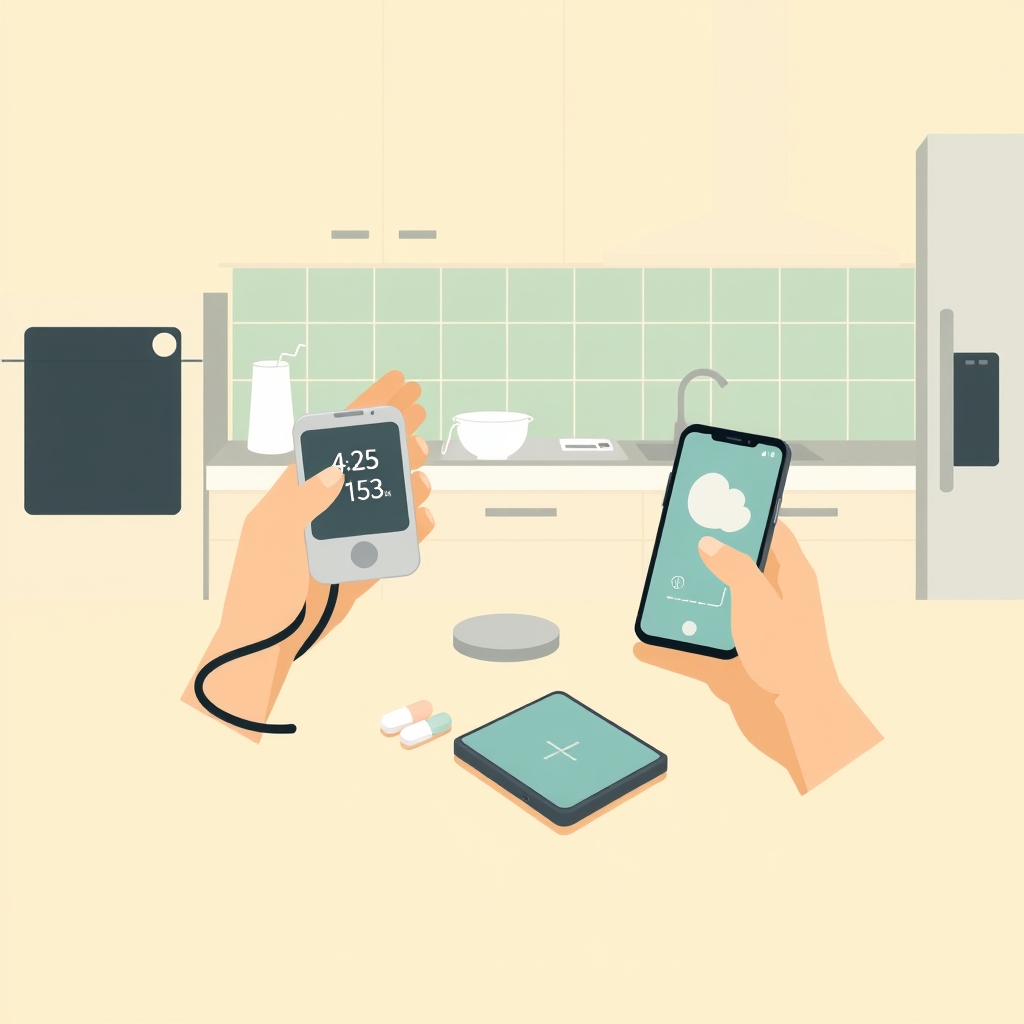
Take blood pressure as an example. A home cuff, a simple log, and a periodic video review with a physician covers most of what a routine hypertension follow-up does. The physician reviews your numbers, adjusts medication if needed, and sends the renewal to your pharmacy, all without you taking a morning off work.
Diabetes check-ins work similarly: reviewing glucose patterns, discussing diet and activity, ordering the routine bloodwork that guides treatment. Asthma reviews, thyroid monitoring, and migraine management follow the same shape.
What still happens in person
Physical exams, vaccinations, and certain tests stay in the clinic, and that is fine. The goal is a sensible split: hands-on care where hands are needed, and quick virtual touchpoints for everything else, so problems get caught while they are still small.
If you have a long-term condition and your follow-ups keep slipping because life gets in the way, a standing virtual check-in might be the most practical health decision you make this year.
This article is general health information, not medical advice, diagnosis, or treatment. For guidance about your own health, talk to a licensed physician. If this is an emergency, call 9-1-1. For a mental-health crisis, call or text 9-8-8.